
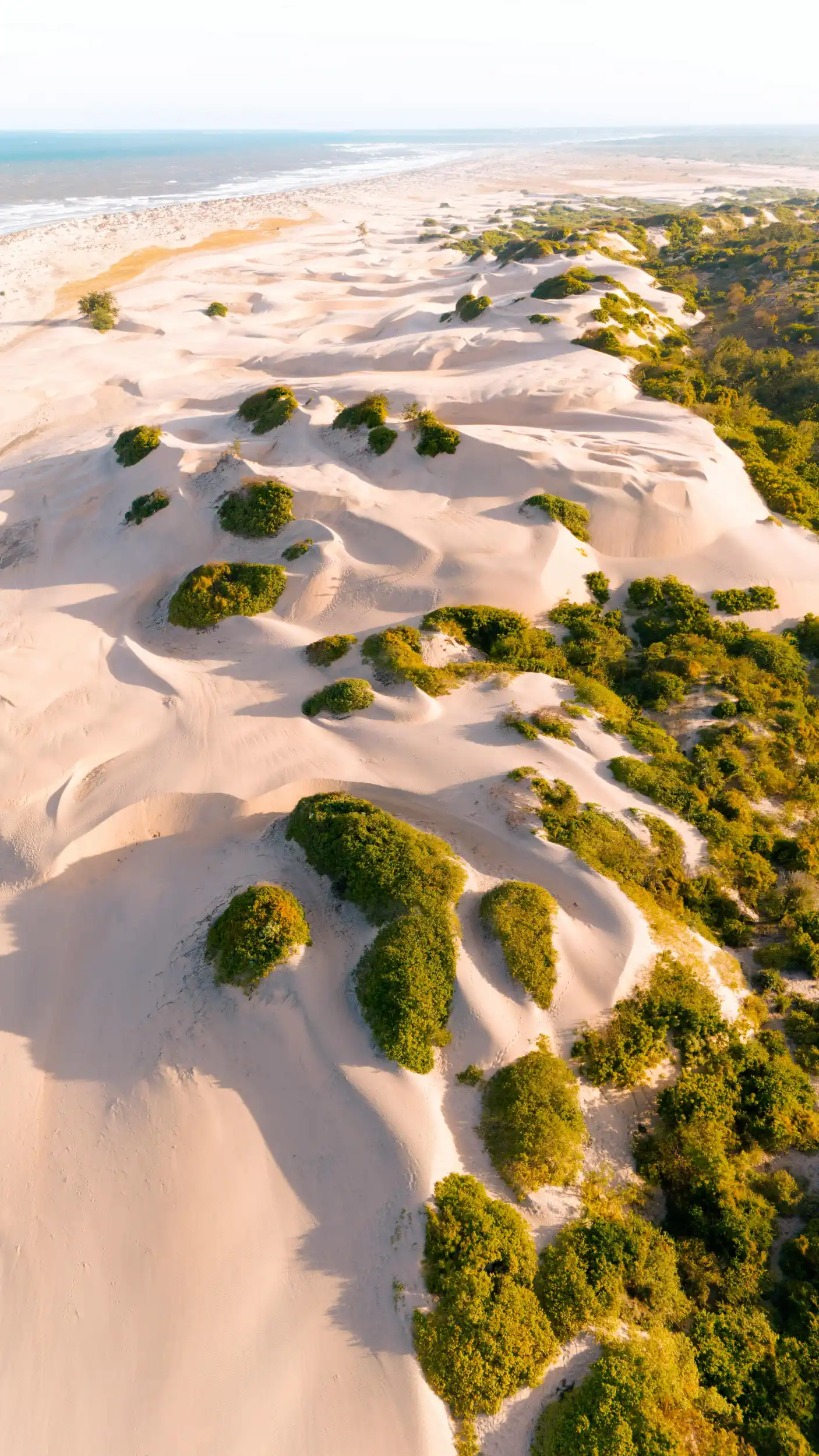
When travelers think of Kenya’s coast, destinations such as Malindi, Watamu, and Diani often come to mind. While many visitors are drawn to Malindi’s pristine beaches, vibrant marine life, and warm tropical climate, few stop to ask an intriguing question: What does Malindi mean?
The name Malindi carries centuries of history, culture, trade, and tradition. Understanding its origins offers travelers a deeper appreciation of one of East Africa’s most fascinating coastal towns. Beyond its beautiful shoreline lies a rich Swahili heritage shaped by African, Arab, Persian, Indian, and European influences.
In this guide, we’ll explore the Several theories explaining the meaning of Malindi, uncover its historical roots, and discover why this coastal gem remains one of Kenya’s most captivating destinations.
The Meaning of Malindi
1. The Swahili Heritage of Malindi
To understand Malindi, one must understand the Swahili culture that defines much of Kenya’s coastline.
Swahili culture emerged from centuries of interaction between African coastal communities and traders from the Middle East and Asia. Among the shared local Swahili explanations include the following:
Mali Ndi – “Land of Riches”
This theory suggests that “Malindi” comes from the Swahili phrase “mali ndi” (or “mali nyingi”), meaning “a lot of wealth” or “land of riches.” This interpretation reflects Malindi’s long history as a prosperous trading port on the East African coast.
For centuries, merchants from Arabia, Persia, India, and later Europe visited Malindi to trade goods such as gold, ivory, spices, mangrove poles, and textiles. Its strategic location and thriving commerce made it one of the wealthiest settlements along the Swahili Coast.
Melindika – “To Attend To” or “To Wait Upon”
This theory suggests that the name derives from the Swahili word “melindika,” which means “to attend to” or “to wait upon.” This interpretation may reflect Malindi’s reputation as a welcoming port where travelers, sailors, and traders were received and cared for during their journeys across the Indian Ocean.
Given Malindi’s role as a major stopover for international traders, the idea of hospitality and service aligns closely with the town’s historical significance.
2.. Arabic Influence Theory
Some historians suggest that the name may have roots in Arabic due to centuries of interaction between Swahili coastal communities and Arab traders. The Swahili culture itself developed through the blending of African and Arab influences.
While no specific Arabic word has been conclusively identified as the source of “Malindi,” proponents of this theory argue that the town’s name may have evolved through linguistic exchanges that occurred during the height of Indian Ocean trade.
Supporting idea: Many coastal East African place names have linguistic influences from Arabic, Persian, and Swahili interactions.
3. Ancient Swahili Settlement Theory
A broader historical interpretation suggests that the name emerged organically from the language and culture of the early Swahili communities that inhabited the region long before Portuguese arrival in the late 15th century.
Under this view, “Malindi” may have originated as a local place name whose precise meaning has been lost over time but became associated with the thriving Swahili city-state that existed there.
Supporting idea: Many ancient East African coastal settlements have names whose original meanings are difficult to trace due to centuries of linguistic evolution.
A Brief History of Malindi
Malindi is one of the oldest and most historically significant towns on Kenya’s coast. Its history stretches back more than a thousand years, making it an important center of the Swahili civilization and Indian Ocean trade network.
1.One of Kenya’s Oldest Coastal Towns
Archaeological evidence and historical records indicate that Malindi has been inhabited for centuries. By the 13th century, it had already emerged as an important urban settlement along the East African coast. Like other Swahili city-states, Malindi developed sophisticated systems of trade, governance, and architecture, making it one of the region’s most influential towns.
2. A Major Center of the Swahili Civilization
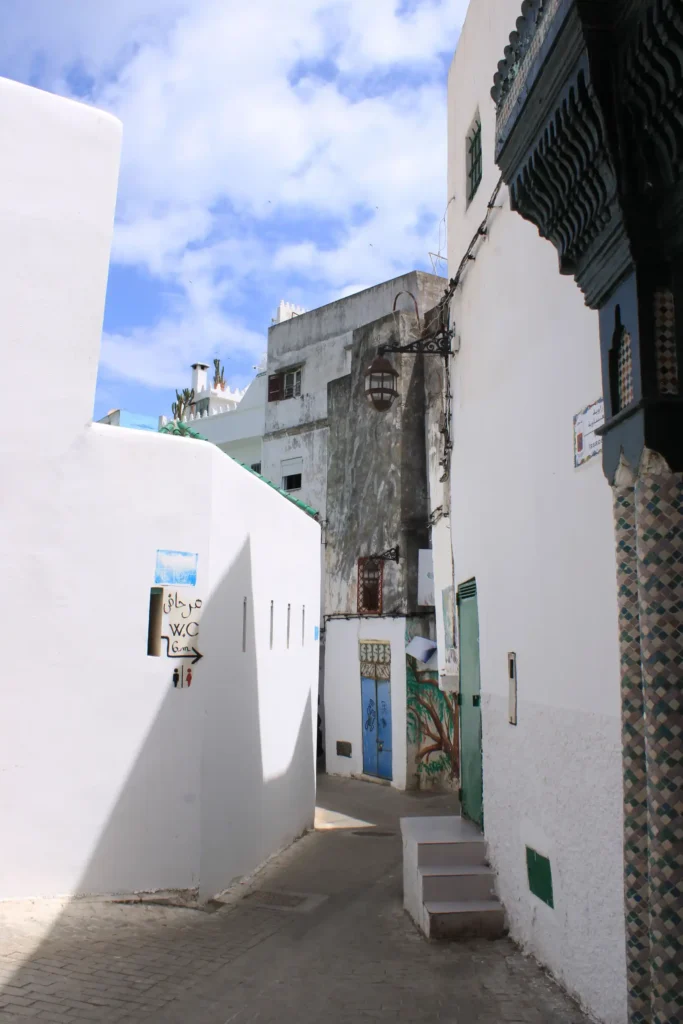
Malindi played a key role in the development of the Swahili civilization, a unique coastal culture that emerged through centuries of interaction between African communities and traders from Arabia, Persia, and Asia.
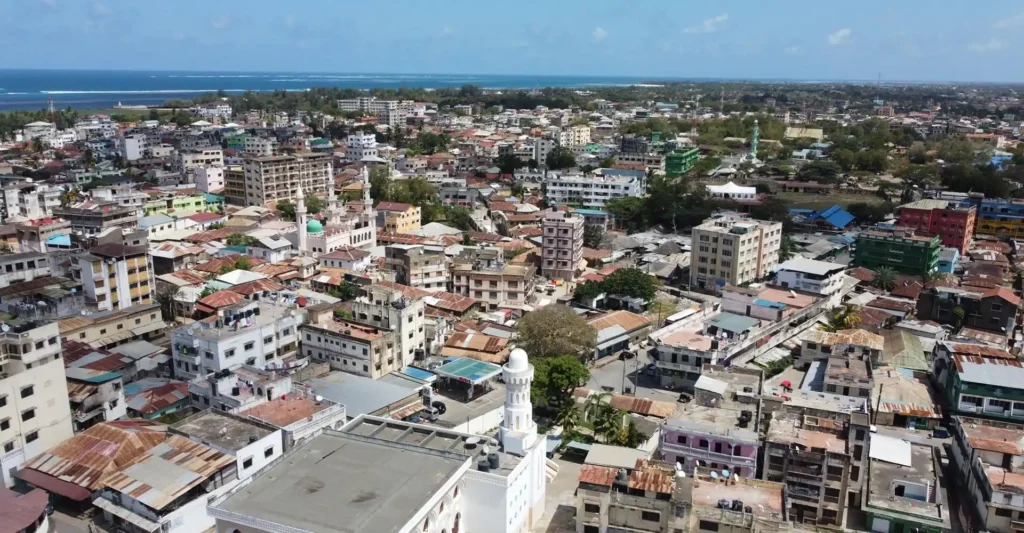
The Swahili people established prosperous city-states along the East African coastline, and Malindi became one of their most prominent centers.
The town’s culture blended African traditions with Islamic influences brought by foreign merchants. This fusion can still be seen today in Malindi’s architecture, cuisine, language, and customs. The Swahili language itself evolved through these interactions and became one of Africa’s most widely spoken languages.
3. Important Trading Links with Arabia, India, China, and Persia
During the medieval period, Malindi was a thriving participant in the vast Indian Ocean trading network. Merchant ships sailed seasonally using monsoon winds to connect East Africa with distant ports across Arabia, Persia, India, and China.
Goods exported from Malindi and the surrounding region included:
- Ivory
- Gold
- Animal products
- Timber and mangrove poles
- Coconut products
- Spices
In return, traders brought:
- Fine textiles
- Ceramics and porcelain
- Beads and jewelry
- Metal tools and weapons
- Luxury goods from Asia and the Middle East
These international connections contributed significantly to Malindi’s prosperity and cultural diversity. Many historians believe the town’s reputation for wealth may have inspired local theories linking the name “Malindi” to the Swahili phrase “mali ndi” or “mali nyingi,” meaning “abundant wealth” or “land of riches.”
4. Home to the famous Vasco da Gama Pillar, one of the oldest European monuments in Africa.
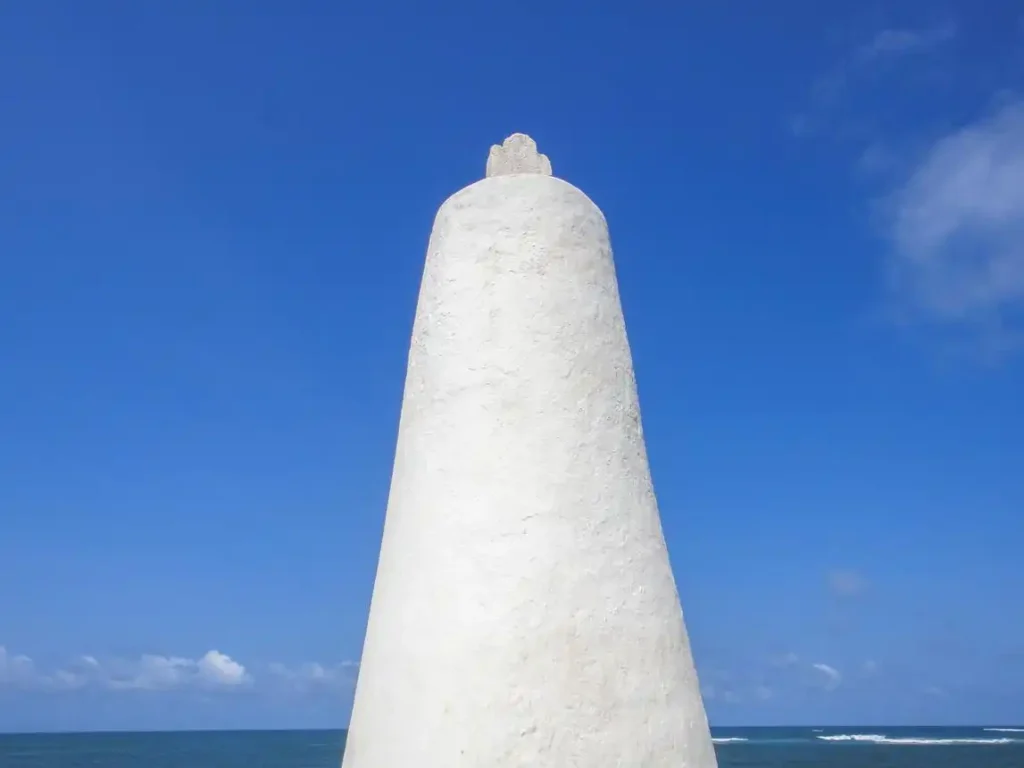
Malindi is home to the historic Vasco da Gama Pillar, a coral-stone monument erected by the Portuguese in 1498 after the arrival of explorer Vasco da Gama. Located along the waterfront, it is regarded as one of the oldest surviving European monuments in Africa and symbolizes Malindi’s important role in the maritime trade routes that connected Africa, Europe, and Asia during the Age of Exploration.
5. Home to the Malindi Marine National Park and Reserve
The town also serves as a gateway to remarkable attractions such as Malindi Marine National Park, one of Africa’s oldest marine protected areas.

Often referred to as Kenya’s Ocean Sanctuary, the park protects a rich and diverse marine ecosystem along the country’s coastline. Its crystal-clear waters are home to vibrant coral reefs, sea turtles, dolphins, and hundreds of species of tropical fish. Visitors can enjoy snorkeling, diving, and glass-bottom boat excursions that offer unforgettable views of this thriving
Why Malindi Is Significant Today
Modern Malindi combines:
- Family-friendly and educational attractions including Gede Ruins and Arabuko-Sokoke Forest
- Swahili heritage and culture
- Historic architecture
- White-sand beaches
- Marine conservation areas such as Malindi Marine National Park
Frequently Asked Questions (FAQ’s)
1. What does the name Malindi mean?
The name Malindi is believed to come from local Swahili expressions such as “mali ndi” or “mali nyingi,” meaning “a lot of wealth” or “land of riches,” reflecting its historical role as a prosperous trading port. Another theory links it to “melindika,” meaning “to attend to” or “to wait upon,” highlighting its reputation as a welcoming coastal stop for traders and sailors.
2. What is the origin of Malindi?
Malindi originated as an ancient Swahili settlement along the East African coast. It grew into a major trading town through early interactions between African communities and traders from Arabia, Persia, India, and later Europe.
3. Why was Malindi an important trading town?
Malindi was strategically located along the Indian Ocean trade routes. It became a key hub for exchanging goods such as ivory, gold, spices, textiles, and ceramics, connecting East Africa to Asia and the Middle East.
4. Why should travelers visit Malindi?
Travelers visit Malindi for its unique combination of history, Swahili culture, pristine beaches, marine parks, and relaxed coastal lifestyle, offering both educational and leisure experiences.
Malindi: A Living Legacy of the Swahili Coast
The story of Malindi’s name mirrors the story of the Swahili coast itself. Rather than being purely African or purely Arab, it emerged within a region where cultures, languages, and peoples blended over centuries. While the exact origin remains uncertain, the name “Malindi” stands as a reminder of the town’s transformation from an early African settlement into one of the most influential centers of Swahili civilization and Indian Ocean trade.
At Ajala Safaris, we bring this heritage to life by curating immersive coastal experiences that connect travelers to Malindi’s rich history, Swahili culture, and timeless Indian Ocean legacy.